2026–27 season
From your city to Shanghai
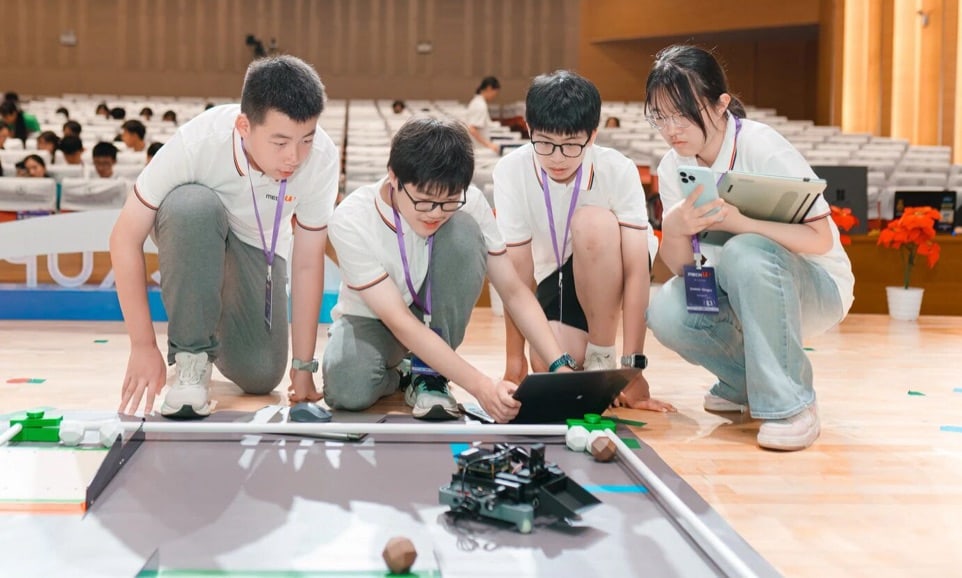
The season has four tracks. City hackathons come first, then MeckUP Quest at HKU and international hackathons. It ends at the Shanghai Global Challenge & Expo. Pick the event that fits your age and experience.
Four stages, one working robot
Every MeckUP challenge runs on the same four stages. Learn them once and use them at every event.
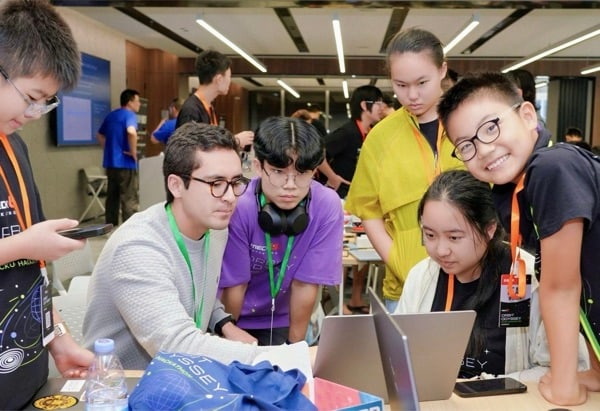
Understand
Pin down the task and its limits.
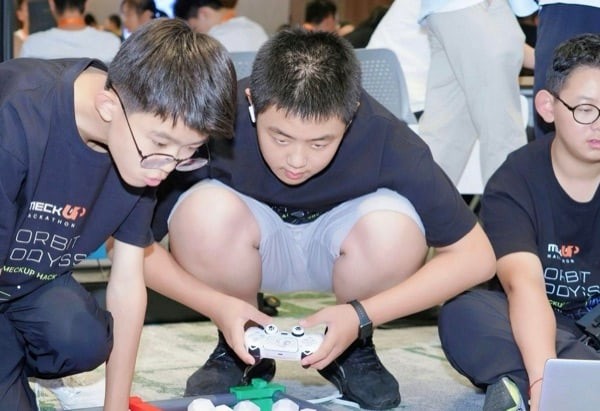
Build
Turn an idea into a working prototype.
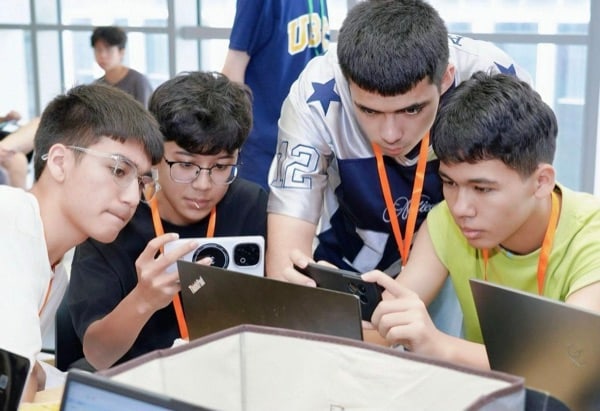
Test
Watch it fail, then fix it.
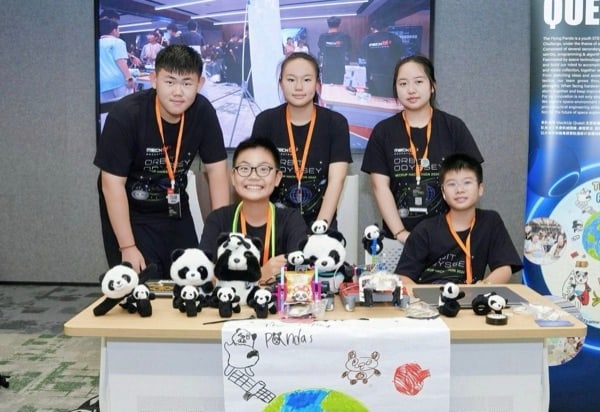
Explain
Show judges what changed and why.
What we value
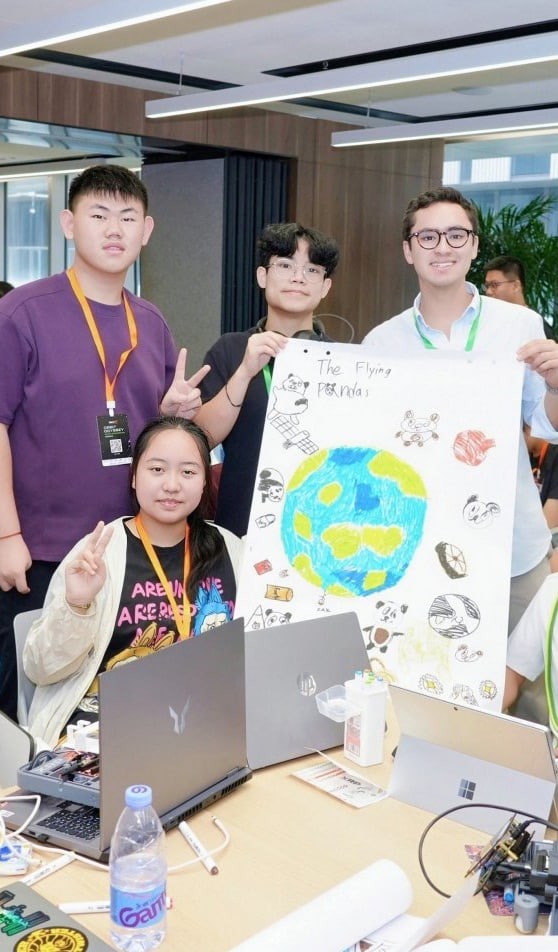
Student-led
Learning starts with the student.
You choose, try and contribute, and your progress shows.
Clear standards
Clear expectations guide the work.
Every team works to the same rules, and judges want to see how you tested it.
Social impact
Engineering serves people.
Every brief starts with someone who needs help.
Sustainability
Robots help communities recover.
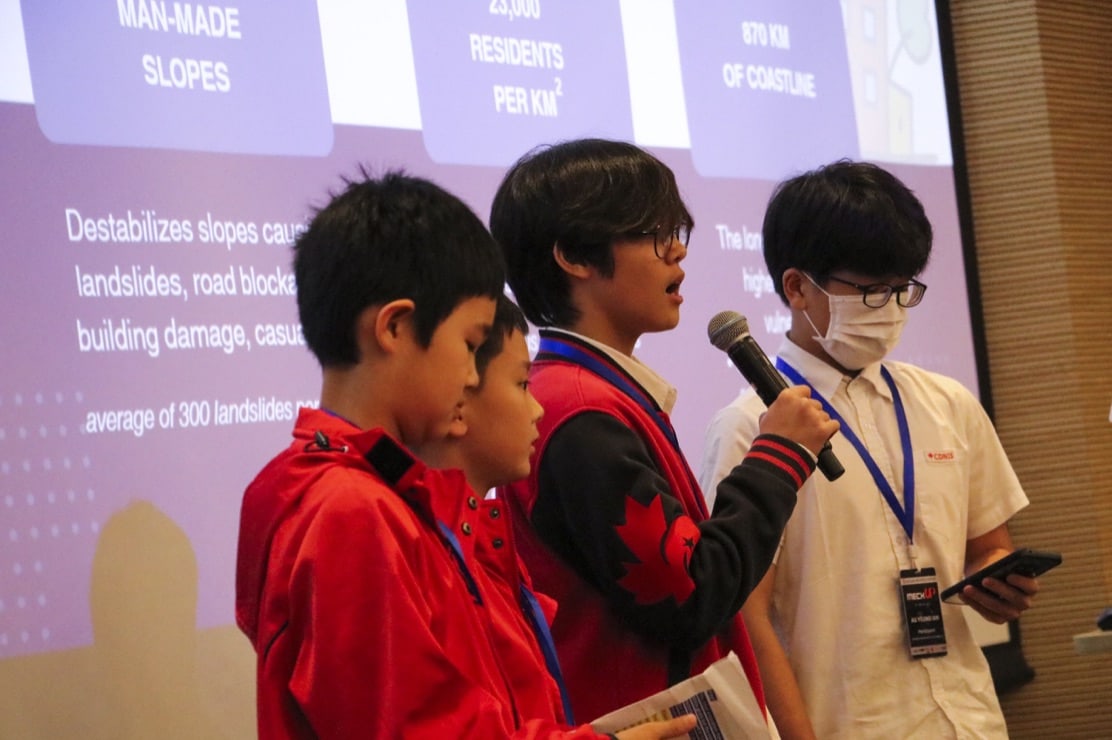
In 2026, teams built robots for rescue after a typhoon and pitched ways to support the community.
Your portfolio shows how you got there
Keep a record as you go. By the end, you’ll have five things to show: your problem brief, prototype, test record, live demo and reflection. Note what you did, as well as what the team did.
What you’ll build with
In 2026, teams built XRP robots with Intel AIxkit for AI vision. Kit can change between events, so check your event page first.